

“Should I just get it cleaned, or does it actually need repair?” is one of the most common questions we hear from customers. It’s a fair question — some symptoms look similar on the surface, but the fix (and the cost) can be very different. This guide breaks down how to tell the difference, so you know what to expect before booking a service.
Quick Way to Tell the Difference
As a general rule:
- Cleaning usually fixes: reduced airflow, musty smell, slightly weaker cooling, visible dust on vents
- Repair is usually needed: no cooling at all, water leaking, unusual noises, tripping breakers, the unit not turning on, or ice forming on the coil
If cleaning alone hasn’t resolved the issue after a service, that’s a strong sign there’s an underlying mechanical or electrical fault rather than a dust build-up problem.
Signs You Need Repair, Not Just Cleaning
1. The Unit Isn’t Cooling at All
A dirty filter can reduce cooling efficiency, but it won’t usually stop cooling entirely. If the compressor is running but no cold air is coming out, this often points to a refrigerant leak, a faulty compressor, or an electrical fault — all repair issues, not cleaning ones.
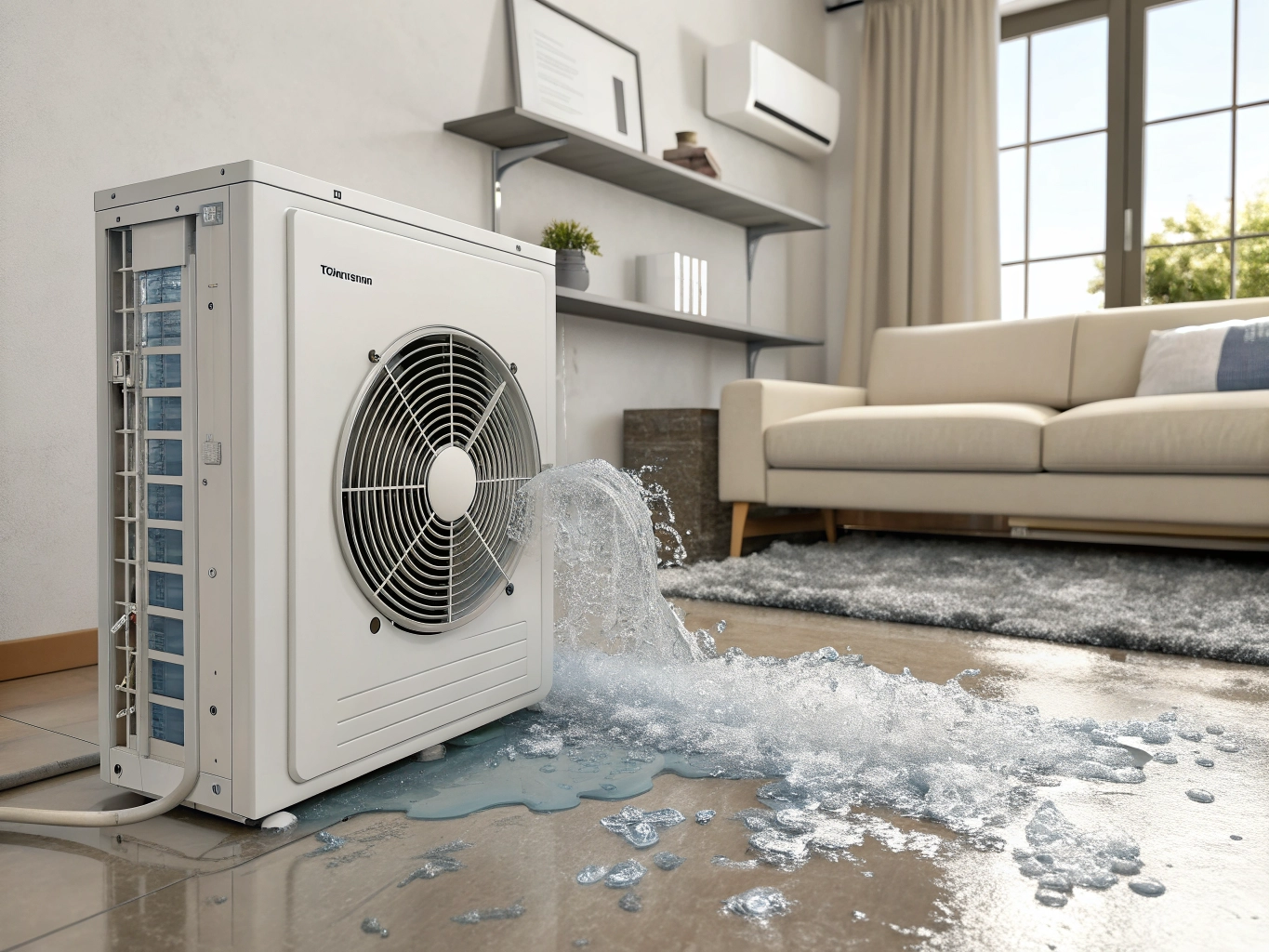
2. Water Is Leaking From the Indoor Unit
While a clogged drain line (a cleaning-related issue) is a common cause, persistent leaking after cleaning usually means there’s a cracked drain pan, a frozen coil dripping as it thaws, or a piping issue that needs proper diagnosis. See our water leaking repair service if cleaning hasn’t resolved this.
3. The Breaker Keeps Tripping
This is almost always an electrical issue — a faulty capacitor, a short in the wiring, or a failing compressor drawing too much current. No amount of cleaning will fix a tripping breaker; this needs a technician to diagnose the electrical fault directly.
4. Unusual Noises During Operation
A rattling, grinding, or high-pitched noise usually indicates a mechanical issue — a loose fan blade, worn bearings, or a failing motor. Cleaning can sometimes resolve a mild buzzing caused by debris, but persistent mechanical noise needs a proper inspection.
5. Ice Forming on the Indoor or Outdoor Unit
Ice build-up is a classic sign of low refrigerant or restricted airflow from a mechanical fault, not just dust. Running the unit with ice build-up can actually damage the compressor further, so this should be addressed quickly.
6. The Unit Won’t Turn On
If there’s no response at all when you turn the unit on — no fan, no compressor sound — this points to an electrical or control board issue rather than anything cleaning would resolve.
7. Weak Airflow Even After a Recent Cleaning
If you’ve just had the unit cleaned and airflow is still weak, the issue may be a failing fan motor, a blocked duct (for ducted systems), or a refrigerant issue rather than dust.
When Cleaning Is Genuinely the Right Call
To be fair, plenty of issues genuinely are cleaning-related, and don’t need repair at all:
- Musty smell on startup
- Slightly reduced cooling that’s been gradual over months
- Visible dust buildup on the filter or vents
- The unit working fine but the room takes a bit longer to cool than it used to
If any of these sound familiar, our aircon cleaning service is likely all you need — no reason to pay for a repair diagnosis if a chemical wash will do the job.
Why Getting the Diagnosis Right Matters
Booking the wrong type of service wastes both time and money — a cleaning won’t fix an electrical fault, and a full repair diagnosis is unnecessary if dust build-up is the only issue. When in doubt, describe the specific symptom (not turning on, leaking, noise, etc.) when you contact us, and we can advise which service actually fits before you book.
Frequently Asked Questions
My aircon is cooling but not as well as before — repair or cleaning? If the decline has been gradual and there are no other symptoms (noise, leaking, tripping), this is usually a cleaning issue. If it happened suddenly, it’s worth having a technician check for a refrigerant leak.
Can a dirty aircon cause the breaker to trip? It’s uncommon but not impossible — a severely dirty unit can overwork the compressor to the point of tripping. However, this is rare compared to electrical faults like a failing capacitor, so a proper inspection is still recommended.
Is it normal for an aircon to leak a little water? A small amount of condensation is normal for some units, but visible dripping or pooling water is not and usually indicates a blockage or a mechanical fault that needs attention.
How much does aircon repair typically cost compared to cleaning? Cleaning is generally cheaper than repair, since repair costs depend on the specific part or fault involved. See our pricing guide for typical ranges on both.
What should I tell the technician when booking to get the right service? Describe exactly what’s happening — no cooling, leaking, noise, tripping, or won’t turn on — rather than just saying “it’s not working.” This helps us recommend the right service before a technician even arrives.
Not Sure Which Service You Need?
If you’re unsure whether your aircon needs cleaning or repair, message us on WhatsApp with a description of the issue and we’ll advise you before booking. Call +60 10-593 0730 for urgent issues, or check our full range of services to see what’s covered.